
 AR
AR
 BG
BG
 CS
CS
 DA
DA
 NL
NL
 FI
FI
 FR
FR
 DE
DE
 EL
EL
 HI
HI
 IT
IT
 JA
JA
 KO
KO
 NO
NO
 PL
PL
 PT
PT
 RO
RO
 RU
RU
 ES
ES
 SV
SV
 TL
TL
 ID
ID
 LT
LT
 SR
SR
 SL
SL
 UK
UK
 ET
ET
 HU
HU
 TH
TH
 TR
TR
 FA
FA
 MS
MS
 GA
GA
 BN
BN
 BS
BS
 LO
LO
 LA
LA
 NE
NE
 MY
MY

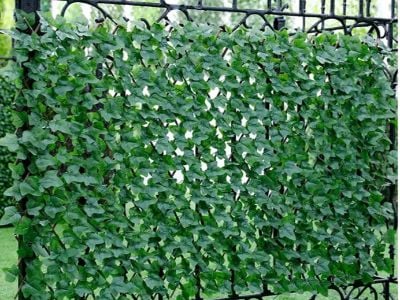
Climbing plants are beautiful and can make any garden look special. They can grow up trellises, fences, or walls, and they come in many types. One great way to support these plants is by using a willow trellis. Willow trellises are made from thin branches that are strong yet flexible. They have a natural look that fits well in gardens. We’ll talk about the benefits of using a willow trellis for climbing plants and how to train these plants effectively. HAIJIN cares about helping you grow your garden, and this guide will give you the tools you need.
What are the Benefits of Training Climbing Plants on a Willow Trellis?
Using a willow trellis for climbing plants has many benefits. First, it provides strong support for the plants to grow upward. This is important because many climbing plants, like beans and peas, need help to reach their full height. If they don’t have something to climb on, they might just spread out on the ground, which can make them rot or get eaten by pests. A artificial leaf trellis gives them a safe place to grow.
Another benefit is that willow trellises are very attractive. They add a rustic charm to your garden. The natural color of willow blends well with green plants, making your garden look more beautiful. Plus, as climbing plants grow on the trellis, they create a lovely green wall. This can be a nice spot to relax, especially if you have seating nearby. You can even grow fragrant flowers like sweet peas that smell wonderful.
Additionally, training climbing plants on a willow trellis can help with air circulation. This is important because good airflow can keep plants healthy and prevent diseases. When plants are crowded together, they might get too much moisture, which can lead to problems like mold. When you train them on a trellis, they have space to breathe. This means your climbing plants can grow strong and healthy.
Lastly, a willow trellis can help you maximize your garden space. If you have a small yard, growing plants upward can save space. Instead of spreading out on the ground, climbing plants can use vertical space. This way, you can grow more plants in a smaller area. If you love gardening but have limited space, a willow trellis can be a perfect solution.
How to Effectively Train Climbing Plants on a Willow Trellis for Maximum Growth
Training climbing plants on a willow trellis can be simple if you follow some steps. First, it’s important to choose the right climbing plants. Some good choices are morning glories, honeysuckle, and even certain types of cucumbers. When you pick your plants, make sure they are suitable for your climate and soil.
Once you have your plants, you should prepare the willow trellis. Place the trellis in a sunny spot where the climbing plants will get plenty of light. This is important because most climbing plants love the sun! Make sure the trellis is secure and won’t fall over when the plants grow heavy.
Next, when you plant your climbing plants, make sure to plant them close to the base of the trellis. As they grow, gently guide the stems toward the trellis. You can use soft ties or strings to help them stay in place. Be careful not to tie them too tightly; plants need room to grow.
As the plants start to climb, keep an eye on them. If you notice any stems that are growing in the wrong direction, gently reposition them. This will help them grow upward instead of outwards. You might need to do this a few times until the plants get the hang of it.
Water your climbing plants regularly and give them the nutrients they need to thrive. A little fertilizer can go a long way in helping them grow strong and healthy. With time, you will see them climbing up the willow trellis beautifully. Watching your plants grow and flourish will bring you joy and make your garden a lovely place to be.
With HAIJIN’s tips, you can create a stunning garden with climbing plants and a willow trellis. Enjoy the process and have fun watching your plants grow!
Common Issues When Training Climbing Plants on a Willow Trellis and How to Overcome Them
Training climbing plants on a willow trellis can be a fun and rewarding project. However, there can be some problems along the way. One common issue is that the plants might not climb the trellis as you want them to. This happens when the plant doesn’t find something to grab onto. To fix this, you can gently tie the plant to the trellis using soft string or cloth ties. This way, the plant will learn to grow up the trellis as it gets stronger.
Another issue is that the plants might get too much sun or not enough sun. Some climbing plants love the sun, while others prefer the shade. To help, check what kind of light your climbing plant needs. If it needs more sun, you might want to move the trellis to a sunnier spot. If it needs shade, you can put a cover over the trellis during the hottest parts of the day. This helps keep the plant healthy and happy.
Sometimes, pests like bugs can bother your climbing plants. These pests can harm the plant and stop it from growing well. To keep your plants safe, you can use natural methods like soapy water to wash the bugs off. Also, remember to check the leaves often. If you see any yellow leaves, it might mean the plant needs more water or nutrients. Make sure to water your plants regularly, especially on hot days. Lastly, if the plant gets too big, it might crowd the trellis. Trim back the extra growth to let the sunlight in and keep the plant looking nice. With these tips, you can easily overcome common issues when training climbing plants on a willow garden trellis.
Where to Buy Wholesale Willow Trellises for Climbing Plants
If you want to buy willow trellises for your climbing plants, it’s good to know where to look. One of the best places to find wholesale willow trellises is at garden centers. These are special stores that sell plants and gardening supplies. You can often find a variety of trellises there. If you visit a local garden center, you can see the trellises in person and choose the one you like best.
Another great place to look is online. Websites that sell gardening supplies often have willow trellises available for wholesale prices. You can search for “wholesale willow trellises” on a search engine. This will give you many options to choose from. Make sure to read the reviews before you buy. This way, you can see what other people think about the quality of the trellises.
If you want to buy in larger quantities, HAIJIN offers great options for wholesale willow trellises. It’s a good idea to contact them and ask about their deals. They might have discounts if you buy many trellises at once. This can save you money and help you create a beautiful garden with your climbing plants. Additionally, some online marketplaces allow people to sell their handmade trellises. This can be a fun way to find unique designs that you might not see anywhere else. Just remember to check the size and quality before purchasing to ensure they will work well for your climbing plants.
What Are the Top Tips for Successful Climbing Plant Training on a Willow Trellis?
Training climbing plants on a willow expandable trellis fence can be easy and fun if you know the right tips. First, choose the right climbing plant for your trellis. Some climbing plants grow better than others on trellises. Popular choices include sweet peas, morning glories, and climbing roses. These plants are strong and will grow quickly, making them perfect for your willow trellis.
Next, when you plant your climbing plant, place it at the base of the trellis. Make sure the roots are well covered with soil. Water the plant after planting to help it settle in. As the plant begins to grow, you will need to guide it up the trellis. Use soft ties to connect the plant to the trellis. This helps the plant learn the way to climb.
Another important tip is to give your climbing plants enough water and nutrients. Climbing plants need regular watering, especially during hot weather. Make sure the soil stays moist but not too wet. You can also add fertilizer to help the plant grow strong and healthy. Follow the instructions on the fertilizer package to avoid giving too much.
Table of Contents
- What are the Benefits of Training Climbing Plants on a Willow Trellis?
- How to Effectively Train Climbing Plants on a Willow Trellis for Maximum Growth
- Common Issues When Training Climbing Plants on a Willow Trellis and How to Overcome Them
- Where to Buy Wholesale Willow Trellises for Climbing Plants
- What Are the Top Tips for Successful Climbing Plant Training on a Willow Trellis?